
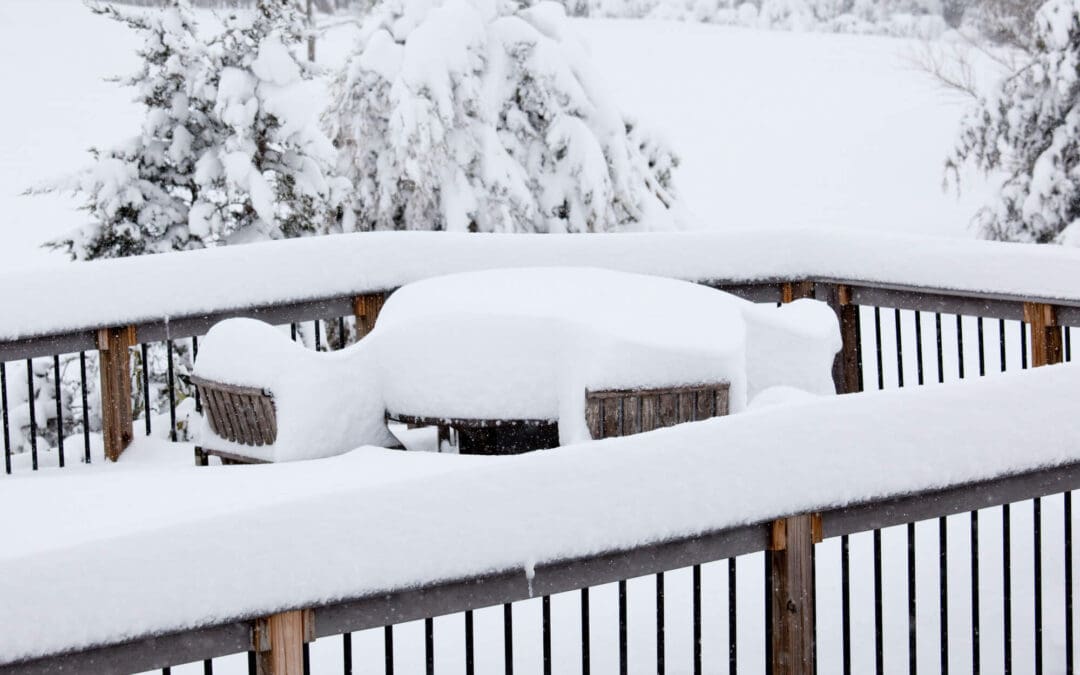
As the temperature drops and the last leaves fall, your outdoor living space needs attention before snow and ice arrive. Your deck, whether wood or composite, faces a harsh winter battle against moisture, freezing temperatures, and ice damage. Successfully completing the task of winterizing your deck is crucial for preserving its structural integrity, extending its lifespan, and avoiding expensive repairs come spring. This process is a straightforward investment of time that pays off handsomely in durability and curb appeal.
Preparing for Winterizing Your Deck
The first step in winterizing your deck is to clean the surface and remove all debris thoroughly. Remove all furniture, planters, grills, and decorative items. Leaving items in place may trap moisture and debris underneath, leading to discoloration and rot spots when left undisturbed all winter. Once cleared, sweep or use a leaf blower to remove all loose debris. Next, wash the deck. For wood decks, use a cleaner formulated to kill mildew and remove grime. For composite decks, a simple soap and water solution is usually sufficient. Use a soft-bristled brush or a pressure washer set to a very low pressure setting to clean the boards gently, taking care not to damage the surface. It’s important to allow the deck to dry completely, ideally for two dry, sunny days, before proceeding to the next steps.
Critical Steps: Inspection and Repair
Before the freezing cycle begins, you need to inspect the deck for any vulnerability. Repairing damage now prevents small issues from becoming major structural problems over the winter. Walk the entire surface and look for protruding nails or loose screws. Drive in or replace fasteners as needed. Check any loose or splintered boards and secure them immediately. Examine the railings, steps, and balusters for wobble or rot. The freezing and thawing cycle will exacerbate any existing weakness, so proactively making these repairs is a vital part of winterizing your deck. Pay close attention to the ledger board, where the deck attaches to the house, and the posts for any signs of water pooling or rot, guaranteeing all connections are sound.
Protecting the Surface: Finishing Winterizing Your Deck
The final step for winterizing your deck is protecting the material itself from moisture absorption, which is the root cause of winter damage. If your wood deck is due for re-sealing or staining, fall is the perfect time. A fresh coat of stain or a clear water-repellent sealant will repel moisture, helping to prevent wood rot, warping, and cracking caused by freezing water inside the wood fibers. Ensure the product you choose is rated for exterior use and apply it evenly once the deck is completely dry.
Composite decks do not require re-sealing. Your primary concern is drainage. Check that the gaps between the deck boards are completely clear of debris so water drains freely. This prevents ice from forming and expanding between the boards, which could damage the material and fasteners. Finally, once snow does fall, never use a metal shovel to remove it, as this may scratch the surface; opt for a plastic shovel or a broom instead.
Inspect It Neil provides home inspections to customers in New Jersey. Contact us to request our services.