
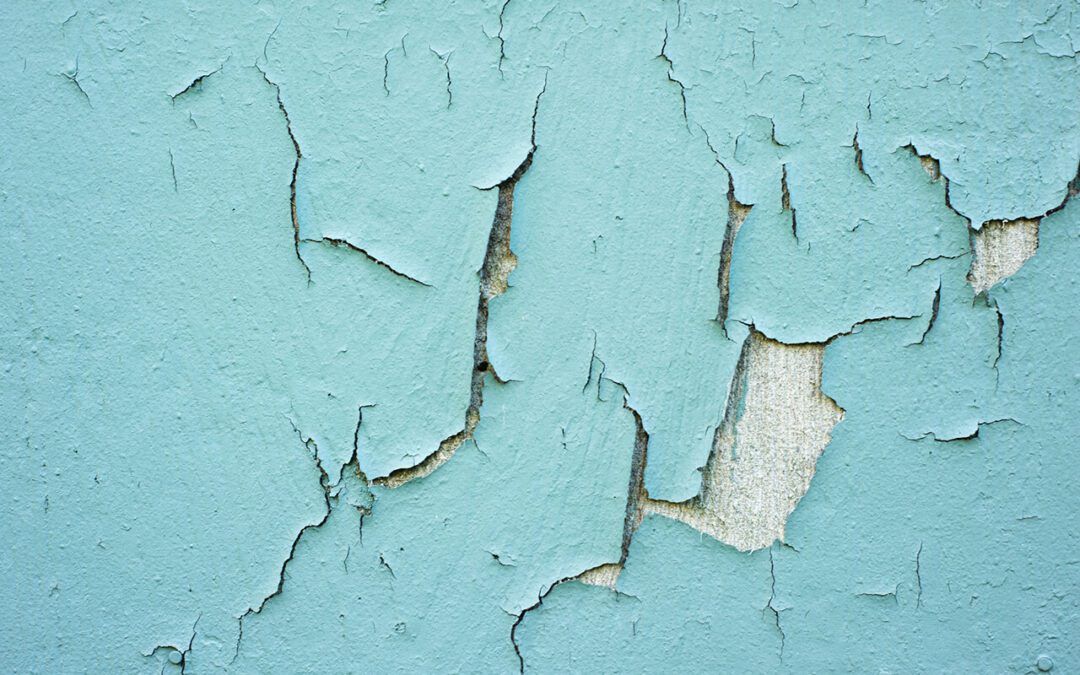
If your home was built before 1978, there’s a meaningful chance lead paint is somewhere in it, under layers of newer paint, on window trim, door frames, or exterior surfaces. Lead paint was widely used in residential construction for decades before the federal government banned its use in homes, and its presence isn’t always visible or obvious. Understanding the risks, knowing when it becomes dangerous, and knowing what to do about it are among the most important things an owner of an older home can learn.
What Makes Lead Paint Dangerous
Lead paint that is intact, firmly adhered, and not chipping or peeling poses a relatively low risk. The hazard increases dramatically when that paint begins to break down. Chipping and flaking paint release particles that can be ingested or inhaled. Deteriorating lead paint on windows and doors is particularly hazardous because friction from normal operation grinds it into fine dust that settles on surfaces where young children crawl and play. Lead is a potent neurotoxin, and children under six are most vulnerable because their developing nervous systems are especially susceptible. Even low levels of exposure are associated with learning disabilities, behavioral problems, and developmental delays. Adults face risks, including high blood pressure and kidney damage. There is no safe level of lead exposure; the risks are cumulative and long-lasting.
How Lead Paint Becomes a Hazard in Older Homes
The most common triggers for lead paint hazards in older homes are renovation and deterioration. When lead paint is sanded, scraped, or disturbed during a renovation without proper precautions, it generates fine lead dust that can contaminate an entire home if not contained. Federal law requires contractors working on pre-1978 homes to follow EPA Renovation, Repair, and Painting (RRP) rules, using certified renovators, containment practices, and proper cleanup procedures specifically because of the risks involved. Natural deterioration is the other primary trigger. Older homes with original paint on windows, doors, and exterior surfaces experience normal weathering that causes paint to crack and peel over time. Regular inspection of painted surfaces is essential in homes where lead may be present.
Testing Paint and What to Do Next
If your home was built before 1978 and you haven’t tested for lead paint, professional testing is the recommended starting point. A certified lead inspector or risk assessor can evaluate your home’s surfaces, identify where lead is present, and assess whether any current conditions represent an active hazard. This is especially important before any renovation project, when buying or selling an older home, or when children under six are living in or will be moving into the property. When lead paint is identified, the response depends on its condition. Intact paint that is in good condition and not subject to friction or deterioration can often be managed in place, monitored regularly, and maintained rather than removed. When paint is deteriorating, on friction surfaces, or in areas where it poses an active risk, remediation is necessary. Remediation options range from encapsulation to full removal by a certified lead abatement contractor. Removal generates significant lead dust and should never be attempted as a DIY project.
Inspect It Neil provides home inspections to customers in New Jersey. Contact us to request our services.