Signs of mold in a home are rarely as obvious as a black patch on a visible surface. Waiting for that level of visibility means the mold has already been developing for weeks or months in locations that aren’t in plain sight. Sensory and environmental indicators can signal that something is developing before it becomes a significant condition behind a wall or under a floor. Homeowners who recognize these signals and respond quickly avoid the more expensive discovery that comes when mold has had the time and moisture it needs to establish significantly.
The Sensory Signs of Mold That Appear Before Anything Is Visible
The smell of mold is the sign that most consistently precedes its visible discovery. A musty, earthy odor, sometimes described as damp soil or old paper, in a room with no obvious moisture source is one of the earliest and most reliable signs of mold growing in a concealed location. The odor is produced by microbial volatile organic compounds that mold releases as it metabolizes, reaching the air of the living space before the colony itself becomes large enough to see. A smell that concentrates near a specific wall, under a cabinet, in a closet, or in the basement is a directional sign of mold that narrows the investigation area considerably. Physical symptoms in the home’s occupants are the other signs that appear before visible growth is discovered. Persistent nasal congestion, sneezing, or eye irritation that is worse at home and improves when away, particularly when these symptoms have no other identified cause, could indicate airborne mold spore exposure. These signs of mold exposure are more subtle than a patch on the ceiling but often appear first, particularly in sensitive individuals.
Visual Signs of Mold and What They Actually Indicate
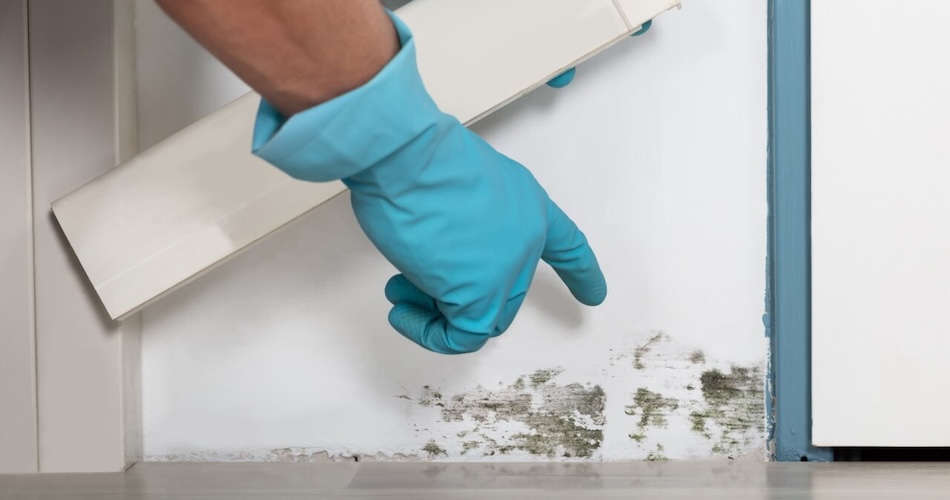
Visible mold, the discoloration on a wall surface, the dark growth in a grout line, the fuzzy patch on a ceiling, is the most recognized sign but not always the most informative one. Surface mold in bathrooms and kitchens, where moisture is predictable and ventilation often inadequate, is common and addressable with surface cleaning and ventilation improvement. The more significant visual signs of mold are those appearing in unexpected locations: discoloration at the base of a wall, bubbling or peeling paint indicating moisture behind the surface, water staining on ceilings suggesting an ongoing leak above, and warping or buckling flooring pointing to sustained moisture beneath. These signs of mold indicate conditions that have likely progressed beyond the surface and warrant professional assessment rather than surface cleaning.
Environmental Conditions That Signal Mold is Developing
The environmental conditions that most reliably predict mold growth are visible moisture, condensation, and evidence of past or present water intrusion. Condensation on windows or cold pipes indicates humidity levels that support mold growth throughout the home. Water stains, even old, dry ones, indicate that moisture was present in sufficient quantity to leave a mark, and where moisture reached once, it typically reaches again. Inspecting the areas around these, the wall cavity behind the stain, the subfloor beneath the condensation zone, the insulation above the ceiling stain, is the investigation habit that finds mold before the damage compounds.
Inspect It Neil provides mold inspections to customers in New Jersey. Contact us to request our services.